 Branding
 Digital Marketing
 Web & App Dev
 IT Services
How Lean Companies Can Upgrade Their Entire IT Stack Without a Big Bang Project
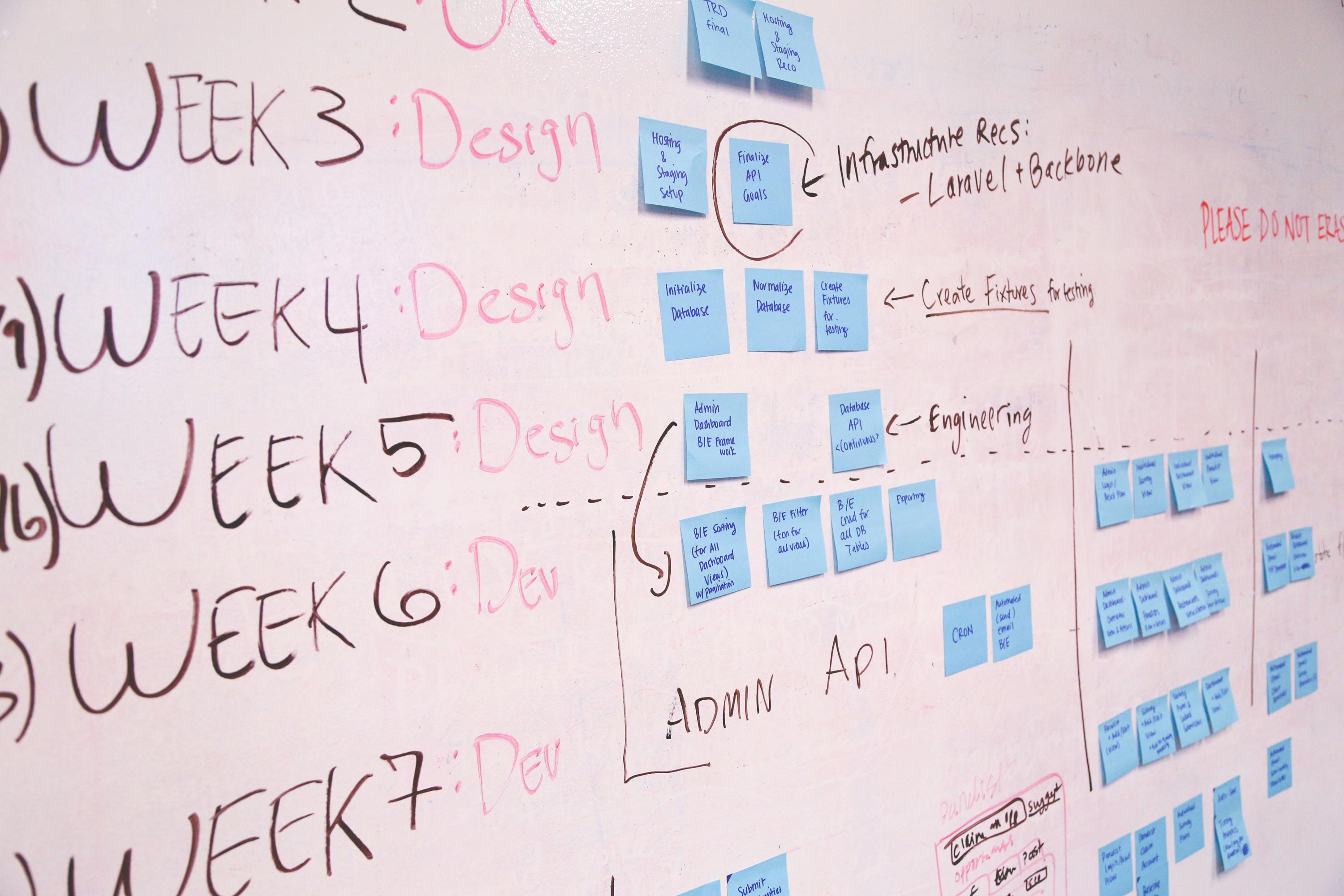
When most people think about upgrading their IT stack, they picture a massive project. New hardware, a new CRM, a website rebuild, a migration to a different platform, or a restructuring of internal systems. These upgrades often come with large budgets, long timelines, and high stress. For lean companies, this approach is unrealistic. They cannot pause the business for months or dedicate full time staff to a single project.
The good news is that big bang IT projects are no longer necessary. Modern businesses can improve their IT stack incrementally, one manageable step at a time. This approach is safer, faster, and significantly more aligned with the way lean organizations operate.
Below is a practical framework that shows how small and midsized companies can upgrade their entire IT environment without taking on a massive transformation project.
1. Stop thinking in terms of systems and start thinking in terms of bottlenecks
Many IT upgrades fail because the business starts by choosing a system instead of identifying a bottleneck. This leads to expensive overhauls that do not solve real problems. The Business analysis phase is just as important as the implementation phase, if not even more important.
The right approach is to ask:
What is slowing us down the most?
Once the bottleneck is clear, then the next steps become more obvious.
2. Upgrade the foundation before upgrading the tools
Many companies jump straight into tool replacements. They switch CRMs, rebuild websites, or migrate to new platforms. But if the foundation is unstable, the new tools will not perform any better.
Documenting and upgrading the foundation gives every other system a boost. It also reduces the likelihood of future failures.
3. Break the upgrade into small, independent steps
Instead of one massive project, use an incremental roadmap. Each step should provide clear value on its own. Let’s take a web site for an example, instead of doing a rebuild, audit and document where you are at and look for incremental upgrades such as:
Examples of incremental upgrades:
- Clean up the plugin list on the website
- Fix tracking and conversion accuracy
- Improve caching and speed
- Move to a VPS
- Standardize forms
- Remove unused automation tools
- Add MFA and fix access
- Create standard landing page templates
- Update visual look of theme
- Document key workflows
- Upgrade PHP
- Fix CRM field mapping
Each of these tasks improves stability, performance, and security without disrupting the business.
4. Replace tools only when they are genuinely limiting growth
Tool replacement should not be the first move. It should be the last.
You should upgrade a system only if:
- It cannot integrate
- It cannot scale
- It breaks routinely
- It is no longer supported
- It slows down campaigns
- It blocks automation
- It creates manual work
- It is costing you money
- It does not support your team’s workflow
Some systems can be improved with configuration instead of replacement.
5. Introduce new tools gradually, not all at once
One of the biggest risks in IT upgrades is introducing too much change simultaneously. This affects staff training, data migration, user adoption, and system stability.
Here is a better approach:
- Roll out one new feature at a time
- Train users in small steps
- Migrate data in batches
- Keep the old system active until confidence is high
- Run parallel processes briefly
- Avoid unnecessary pressure
This incremental style rollout should help you improve your success rates dramatically.
6. Clean up workflows before adding automation
Many companies try to automate messy workflows. This makes the mess faster, not better.
Instead of automating a mess or attempting to standardize steps as you automate, slow down to speed up first with the following process:
- Remove unnecessary steps
- Standardize the workflow
- Ensure fields, forms, and triggers are consistent
- Reduce the number of platforms
- Document at least the critical paths
Then automate slowly. Remember: automation is most useful when the underlying workflow is clean.
7. Protect your upgrades with strong security
Security issues can undo months of progress. Before scaling, make sure your environment is safe.
Your security baseline should include:
- MFA for all users
- Access audits
- Enforced password policies
- Regular updates
- Firewall and malware protection
- Backups that are tested
- Clean hosting environment
- Removing old accounts
- Reviewing all API keys
Security should not a separate project, but a part of every upgrade.
8. Build visibility into your system as you go
You cannot optimize what you cannot see. As you upgrade incrementally, set up:
- GA4 dashboards
- Looker Studio reports
- CRM dashboards
- Lead source reporting
- UTM standards
- Conversion accuracy checks
- Performance monitoring
- Uptime alerts
Visibility makes decision making easier and prevents small problems from becoming large ones.
9. Use FlexHours to accelerate parts of the upgrade without increasing headcount
Upgrading your IT environment requires skills across many different areas across business analysis, development, cloud, networking, cybersecurity, and IT management. Most lean companies cannot staff all of these roles. Smartt's FlexHours program lets teams:
- Fix issues quickly
- Complete upgrades in small steps
- Handle emergencies
- Tune hosting
- Improve speed
- Clean up workflows
- Standardize forms
- Repair tracking
- Improve security
- Migrate platforms safely
This approach gives you transformation without the large project and without adding full time overhead.
10. Treat IT improvement as a continuous habit, not an event
A stable IT environment comes from discipline, not one time projects.
Your team should follow a simple rhythm:
- Monthly tracking check
- Monthly updates
- Monthly cleanup of plugins or unused tools on the website,
- Quarterly security check
- Quarterly website page audit
- Quarterly form validation
- Quarterly hosting review
This rhythm prevents drift, reduces risk, and ensures that small issues get fixed before they grow.
A Paradim Shift
Lean companies do not need big bang IT projects. They need a steady flow of small, meaningful improvements that build on each other. By upgrading your IT stack incrementally, you reduce risk, minimize downtime, and keep the business running smoothly while improving stability, performance, and security.
This approach matches the reality of how modern teams operate. They cannot stop everything for a giant project. But they can fix bottlenecks, improve foundations, upgrade tools strategically, and build a more efficient environment piece by piece.
Need help? Contact Smartt. Let's have a conversation!